


Mar 17, 2026
Will My Teeth Move Back If I Forget To Wear My Retainer?
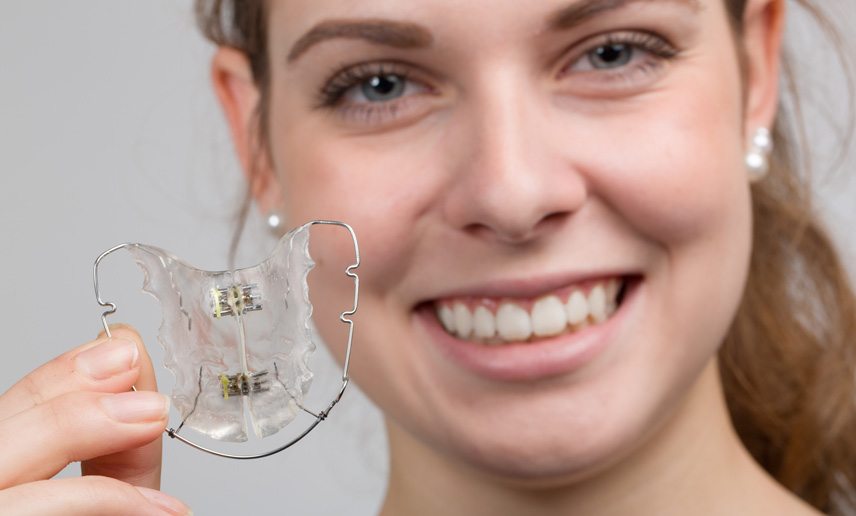
You have finished braces or aligners, your smile looks fantastic, and you want it to stay that way.
Retainers are the quiet heroes of that next phase. They hold your teeth steady while bone and gums settle, and they make sure minor shifts do not undo months of effort.
If you have forgotten your retainer a few times, you are not alone. This guide explains what actually happens when you skip wear, how long you should wear a retainer, the difference between removable and fixed designs, and what to do if a retainer is lost, cracked or feels tight.
At Specialist Orthodontic Practice (SOP) in Dublin, our Specialist Orthodontists provide premium aftercare with clear advice, quick access to replacement retainers, and remote monitoring where appropriate, so you stay connected every step of the way.
Will teeth move back if you forget your retainer?
In short, they can start to drift, and they can do so surprisingly quickly. After orthodontic treatment, the periodontal fibres around your teeth need time to reorganise and stabilise.
- In the first weeks and months, those fibres can gently pull teeth toward their old positions. Missing a few nights can allow small shifts.
- Missing longer periods can lead to noticeable relapse that may make your retainer feel tight or not fit.
The first year after treatment is the most vulnerable. That is why consistent wear matters most in this window. Even after the first year, teeth continue to be influenced by chewing forces, ageing and slight changes in bone and gums. This is why long-term retention is standard in modern orthodontics.
If your retainer feels tighter than usual after a short lapse, begin wearing it as directed again. If it will not seat fully, do not force it, as that can damage the retainer or stress your teeth. Instead, contact your orthodontic team for advice and a review.
How long do you need to wear a retainer?
Retention is a long-term habit. Most patients follow a simple pattern:
- Full-time at the start: Usually for the first few months, removing the retainer only for meals and brushing.
- Night-time wear thereafter: Typically indefinitely, to maintain the result comfortably with minimal impact on your day.
Your exact schedule can vary based on your bite, age, gum health and the type of treatment you had. Your Specialist Orthodontist will tailor this for you. Think of the retainer like a seatbelt for your smile – easy to use and there to prevent a problem rather than fix one.
What types of retainers are there and how do they work?
There are two main categories, each with strengths, and many patients benefit from a combination.
Removable retainers: Clear vacuum-formed retainers (often called Essix retainers) fit closely over your teeth. They are discreet, easy to wear and simple to replace. They hold each tooth in position as your tissues stabilise. Ideal for night-time maintenance long term, and removable for meals and brushing.
Fixed retainers: A slim wire is bonded to the back of your front teeth, usually canine to canine. It works continuously in the background and is invisible from the front. Great for patients who struggle with nightly wear or had significant front crowding. Many patients use a removable upper retainer at night for added security.
Your orthodontist will advise on the best plan for your case. Many patients choose a fixed lower retainer plus a removable upper retainer at night for comfort and stability.
What should you do if a retainer is lost, cracked or does not fit?
Act quickly, because time matters most when a retainer is off track.
Lost removable retainer: Call your orthodontic practice as soon as you realise. If you have a spare, start wearing it. If not, a new retainer can often be made from your digital scan on file. At SOP, our in-house lab and 3D printers help us replace retainers quickly, often with minimal visits.
Cracked or warped retainer: Stop using a damaged retainer. Store it safely and bring it to your appointment so we can assess and replace it.
Tight retainer: If it feels snug after a short lapse, try wearing it for a few hours while awake to ease it in, then follow your usual night-time schedule. If it will not seat fully, do not force it. Book a review to check for small movements and discuss next steps.
Broken fixed retainer: If a bond has come loose or the wire feels sharp, avoid pulling or bending it. Use a small piece of orthodontic wax for comfort and book a repair. Leaving a broken section can allow a tooth to drift.
Simple habits that keep your new smile stable
A few routines make retention easy and effective:
- Make night-time wear automatic: Keep the retainer case on your bedside table and set a reminder until it becomes second nature.
- Clean daily: Rinse after each use, gently brush with a soft toothbrush and cool water, and use a non-abrasive soap. Avoid hot water or harsh cleaners that can warp plastic. For fixed retainers, use floss threaders or interdental brushes.
- Store safely: Use a hard case, never a tissue or pocket. Pets love the scent of saliva and often chew retainers left out.
- Keep a spare if possible: Many patients choose a second removable retainer for peace of mind when travelling.
- Book checks as advised: Short reviews help confirm fit, polish fixed retainers, and refresh guidance. Remote monitoring is available where suitable.
When to book a review
Reach out if your retainer feels different, your bite feels off, a fixed wire loosens, or your removable retainer is lost or cracked. Timely help can prevent a minor wobble from becoming a bigger movement. If you are in Dublin and need quick support, our team is here with a warm welcome and clear, practical advice.
If you are considering aligners or braces and want to understand retention from day one, explore discreet options for clear aligners in Dublin or learn more about our Invisalign® in Dublin service. Meet a Dublin Orthodontist in our city centre practice for convenient after-work or after-school appointments.
FAQ
Will my teeth move back if I forget my retainer?
Minor shifts can begin within days, especially in the first year after treatment. Resume wear as directed. If it does not fit, contact your orthodontist promptly.
How long should I wear a retainer?
Expect full-time at first, then night-time indefinitely. Your Specialist Orthodontist will tailor the plan to your smile.
What types of retainers work best?
Removable clear retainers are discreet and easy to replace. Fixed retainers bond behind the front teeth for continuous support. Many patients use both for added stability.
What if I lose or damage my retainer?
Do not wait. Call your orthodontist, use a spare if you have one, and arrange a replacement. For broken fixed retainers, cover any sharp area with wax and book a repair soon.
Your next step
Consistency is everything in retention. Wear your retainer as advised, clean it daily, store it safely, and book a quick check if anything changes.
If you need a new or spare retainer, or if you would like friendly guidance from a Specialist Orthodontist, contact Specialist Orthodontic Practice in Glenageary or Dublin city centre. Our in-house lab, digital scans and remote monitoring make aftercare convenient, and our team will keep you smiling with confidence. For directions, you can find our Glenageary Orthodontist location here.


